
Are We Over-Correcting the Workplace? The Fine Line Between Management and Bullying
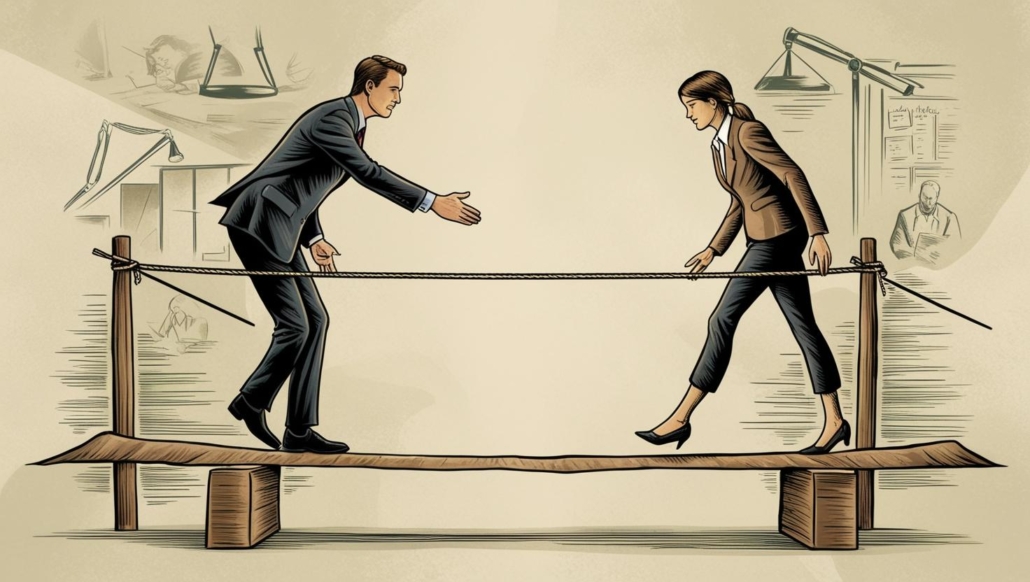
Back in the day, we were told to “toughen up” at work until those words were banished for lacking empathy towards those struggling with mental health. It was a necessary shift, but have we now gone too far?
Today, a difficult conversation with a manager can quickly spiral into a bullying complaint. Feedback is no longer just guidance; it’s a potential minefield. Many managers now hesitate to hold employees accountable, fearing accusations of harassment.
While genuine bullying should never be tolerated, the definition has stretched so far that even basic managerial oversight is under scrutiny. If we continue down this path, where does it end?
Have we made workplaces so hypersensitive that accountability is slipping away?
Why Are More Older Workers Leaving the Workforce?
It’s not just younger employees feeling the pressure. A growing number of over-50s are stepping away from work, often citing health reasons.
However, the accurate picture is more complex. Many feel pushed out, not because they lack skills, but because modern workplace culture makes it difficult for them to function as they once did.
Data from the UK’s Office for National Statistics shows that economic inactivity among those aged 50-64 is rising. Nearly 45% of those who left the workforce cited long-term sickness as a reason. But is it purely health-related, or has the changing workplace culture made experienced professionals feel unwelcome?
Mental Health or Normal Struggles? The Rise of Over-Diagnosis
Society’s approach to mental health has shifted dramatically. While raising awareness is essential, there’s growing concern that we are medicalising everyday struggles. Former Prime Minister Tony Blair recently criticised the trend of self-diagnosing depression, warning that the UK cannot afford the rising cost of mental health-related benefits.
Mental health is real, but so are life’s ups and downs. Not every bad day is a crisis, not every disagreement at work is bullying, and not every moment of stress requires a medical label. When we blur the line between mental health and everyday resilience, we risk making workplaces unmanageable.
What This Means for Employers
Businesses must create safe, healthy workplaces, but responsibility goes both ways. Employers should offer support, but employees must also take ownership of their resilience. When people treat feedback as an attack and use mental health to avoid accountability, businesses cannot function effectively.
Mente: Why We Saw This Coming in 2017
At Mente, we saw these challenges emerge years ago. We knew that businesses needed a structured approach to employee health, wellbeing, and compliance without being held hostage by trends that make managing people harder. The balance is clear: Protect employees and meet legal obligations, but don’t let workplaces become places where feedback is feared.
The Real Question: Are We Solving the Right Problem?
Workplace bullying is real, and toxic managers exist. But are we now over-correcting?
Are we creating an environment where leadership becomes impossible because people describe every difficult conversation as harmful? If so, the future of work looks uncertain.
The challenge now isn’t just about mental health awareness and restoring balance. Employees should feel safe, but they also need to be resilient. Businesses should support their people, but they must also be able to function effectively. Without that balance, we risk creating workplaces that work for no one.

