
Why Stress Risk Assessments Matter for Every Employer
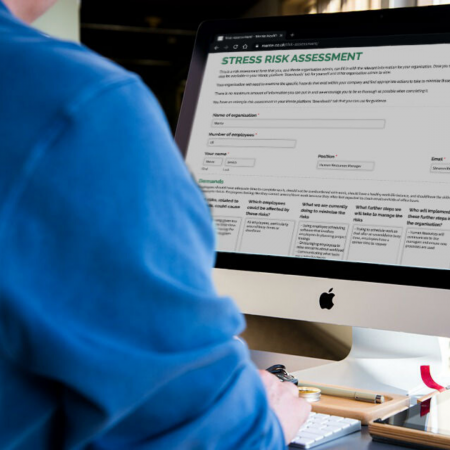
Stress is a natural part of working life, but when it becomes excessive or prolonged, it can affect both the mental and physical health of employees. In the UK, employers are legally required to protect the health and safety of their workforce, and this includes managing work-related stress. A stress risk assessment is not optional. It is a legal responsibility and a key part of running a safe and compliant organisation.
The Growing Compliance Gap
 Recent research suggests that employers still lack a clear understanding of this requirement. A 2025 survey by Occupational Health Assessment Ltd, involving 115 senior HR professionals representing 88,000 UK workers, reported that 41 per cent of employers were unaware that a formal stress risk assessment is required when an organisation has five or more employees. One in four had never carried one out. Almost a third had not reviewed theirs in the last three years, despite the HSE stating that stress risks should be checked regularly.
The same survey highlighted that over half of respondents felt worried or unsure about how to create a stress risk assessment. This suggests that hesitation often comes from uncertainty rather than a lack of willingness.
Stress is also a significant cause of absenteeism due to illness. HSE data shows that stress, depression, and anxiety are responsible for roughly half of all working days lost to ill health. Regulators are becoming more active in this area. The recent investigation into the University of Birmingham, following concerns about its management of workplace stress, shows that stress management is now firmly on the agenda.
Why Stress Risk Assessments Matter
A stress risk assessment is not a tick-box document. It is one of the most reliable ways for employers to understand the pressures their teams are experiencing. Without it, early signs of stress, burnout, rising workload, conflict, bullying, or poor management practices may go unnoticed until they result in sickness absence, grievances, or tribunal claims.
A clear assessment provides employers with a better understanding of what is causing pressure and what changes may be helpful. It leads to better conversations, more informed decisions, and a healthier working environment. When carried out properly, it helps reduce absence, improves morale, limits the chance of conflict or harassment escalating, and strengthens psychological safety. It also protects the organisation’s reputation, supports retention, and provides evidence of compliance if the HSE or a tribunal asks for it.
A safe working environment supports employees and protects the business.
Legal Duties You Must Meet
The Health and Safety at Work Act 1974 and the Management of Health and Safety at Work Regulations 1999 require employers to safeguard both the physical and mental health of their employees. The HSE expects every employer to identify the causes of work-related stress, assess the level of risk, and take reasonable steps to control it. Failure to do so can result in penalties, enforcement notices, or reputational damage. Investigations are increasing each year, and not knowing the rules is not considered a defence.
The Insurance Impact of Non-Compliance
Missing or out-of-date stress risk assessments can also affect insurance. If an employee makes a claim and there is no evidence of an assessment, insurers may view this as a breach of duty. Some policies state that compliance with statutory health and safety duties is required for cover to apply. Stress-related claims can also lead to higher premiums or exclusions. A proper assessment protects both the workforce and the organisation’s financial position.
How to Complete a Stress Risk Assessment
A good assessment follows a simple pattern. Begin by identifying potential stressors through surveys, feedback, and open discussions. Consider how these issues may affect different roles or teams. Decide what adjustments may help, such as changes in workload, communication, clarity of roles, or management practices. Once actions are agreed, the assessment should be reviewed regularly as workplace pressures change. The HSE provides free resources to help, including the Stress Management Standards toolkit and an online learning package.
How Mente Can Help
Mente supports employers through this process by collecting real-time employee feedback, offering a live and editable stress risk assessment tool, and storing secure records for compliance purposes. It brings wellbeing and compliance together and makes it easier to meet legal duties and manage risk.
Read our risk assessment guide here.
Final Thoughts
The evidence is clear. Many employers still fall short when it comes to managing workplace stress, but this does not need to be difficult. A regular stress risk assessment is a simple and effective step that prevents avoidable problems, improves working conditions, and protects the organisation.
It remains one of the most reliable ways to meet your duty of care and create a safer, healthier workplace.

